Skip to content
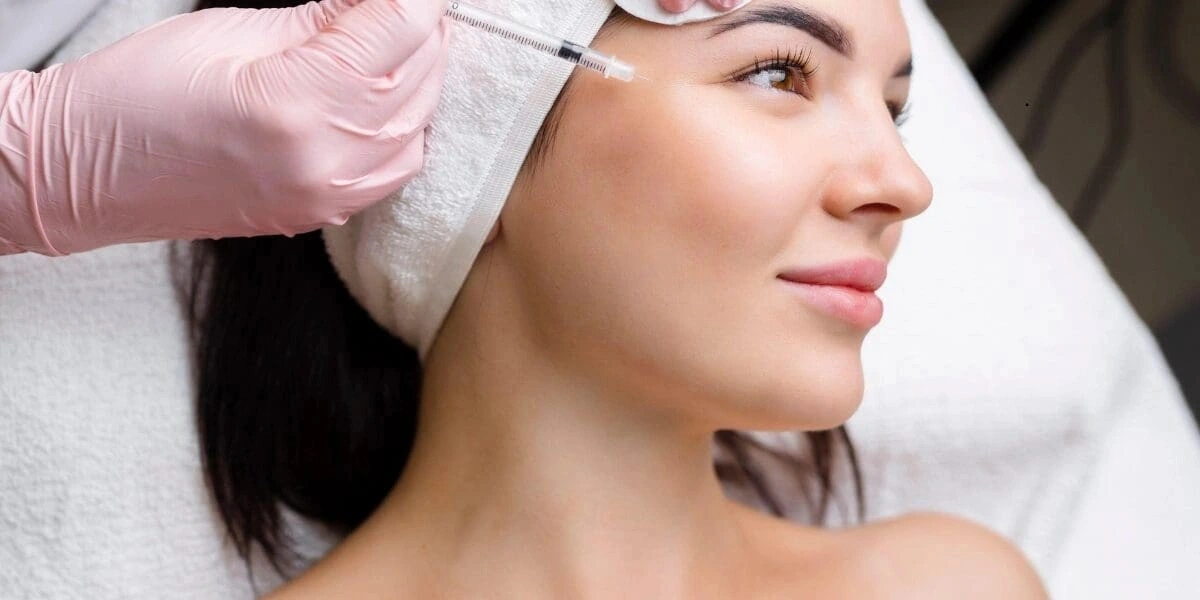
Table of Contents
What to Expect, Why It Happens, and How to Minimize the Risk
Botox is one of the most refined, trusted aesthetic treatments available today. It is subtle, preventative, and remarkably effective when performed by experienced hands. Yet even with its reputation for minimal downtime, one question consistently comes up during consultations:
“Will I bruise after Botox?”
The honest answer is that bruising can happen but for most clients, it is mild, temporary, and entirely manageable. More importantly, there are proven ways to reduce the risk significantly before and after treatment.
At Coco Beauty Bar & Medical Spa, we believe informed clients feel more confident and confident clients heal better. This guide walks you through exactly what to expect, why bruising occurs, who is more prone to it, and how our approach helps minimize it so your experience feels smooth, calm, and stress-free.
Understanding What Botox Really Does Beneath the Skin
Botox is a neuromodulator that works by temporarily relaxing specific facial muscles responsible for expression lines. When those muscles soften, the skin above them appears smoother and more rested.
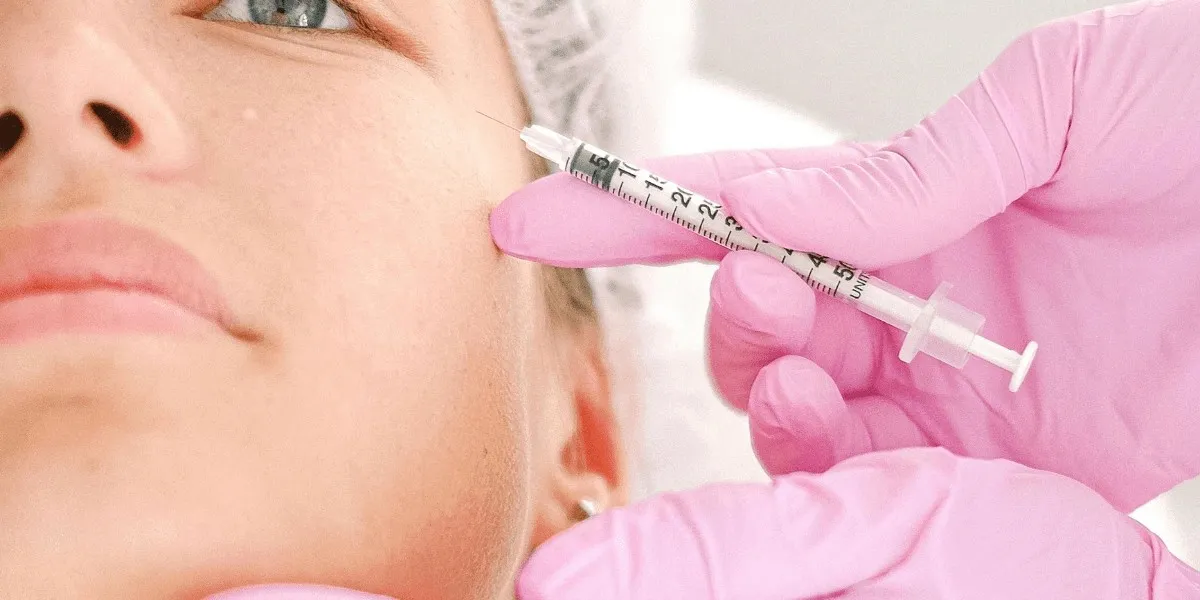
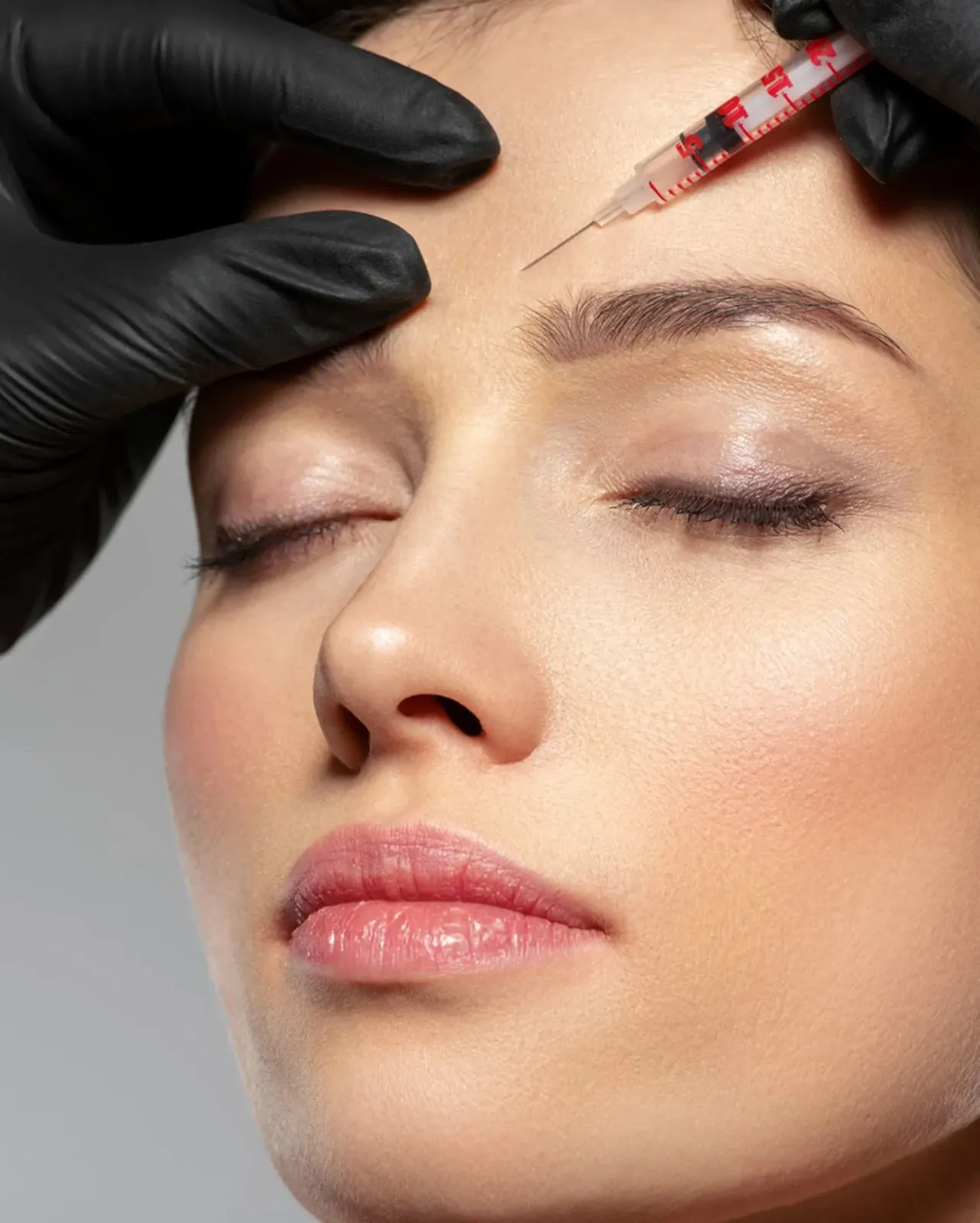
Unlike dermal fillers, Botox does not add volume. It also does not affect blood vessels directly. However, the act of placing the product involves very fine injections, and anytime a needle passes through skin, there is a small chance it may contact a superficial blood vessel.
This is where bruising comes into the conversation.
What Exactly Is a Botox Bruise?
A bruise forms when a tiny blood vessel under the skin is disrupted and a small amount of blood leaks into surrounding tissue. With Botox injections, this may appear as:
• A faint pink or purple spot
• A small blue or yellow mark
• Mild tenderness at the injection site
Most Botox-related bruises are pinpoint sized and fade quickly. Many clients never experience them at all.
Important reassurance:
Bruising does not mean the treatment went wrong. It does not affect your results. It is simply a normal response of the skin.
How Common Is Bruising After Botox?
For the majority of clients, bruising is minimal or nonexistent.
In our clinical experience, most people experience:
• No bruising at all
• A very small bruise that fades within a few days
• Mild redness that resolves within hours
Visible bruising lasting longer than a week is uncommon, especially when proper technique and aftercare are followed.
Areas More Prone to Bruising
Some facial areas are more vascular than others, meaning they have more tiny blood vessels near the surface.
These areas include:
• The crow’s feet
• The glabella (between the brows)
• The forehead in certain individuals
That said, skilled placement and precise technique dramatically reduce the likelihood of noticeable bruising in all areas.
Why Some People Bruise More Easily Than Others
Bruising is not about weakness or poor skin quality. It is influenced by a combination of factors, many of which are completely individual.
1. Blood Thinning Substances
Certain medications and supplements increase the likelihood of bruising, including:
• Aspirin or ibuprofen
• Fish oil or omega-3 supplements
• Vitamin E
• Ginkgo biloba or ginseng
• Alcohol
This is why pre-treatment guidance matters so much.
2. Skin Type and Transparency
Fair or thinner skin may show bruising more easily, even if the bruise itself is minor.
3. Facial Anatomy
Everyone’s blood vessels are arranged slightly differently. Some lie closer to the surface and cannot be seen or avoided visually.
4. Hormonal Factors
Hormonal fluctuations, including menstrual cycles, pregnancy, or perimenopause, can influence bruising tendency.
5. Injection Technique
This is one of the most important factors.
Injector experience, needle choice, depth of injection, and pace all play a role.
At Coco Beauty Bar & Medical Spa, treatments are performed with advanced techniques designed to prioritize precision and tissue respect.
How We Minimize Bruising at Coco Beauty Bar & Medical Spa
Your experience begins long before the first injection.
Thoughtful Consultation
We review:
• Your medical history
• Medications and supplements
• Prior experiences with injectables
• Areas of concern and skin behavior
This allows us to tailor your treatment plan to your body, not a generic template.
Advanced Injection Technique
Our injectors use:
• Ultra-fine needles
• Controlled, gentle placement
• Strategic entry points
• Minimal pressure
This reduces trauma to surrounding tissue and lowers the chance of vessel disruption.
Conservative, Balanced Dosing
Overtreatment can increase injection points unnecessarily. We prioritize elegant dosing that delivers results without excess manipulation.
If you would like to learn more about how we customize dosing, our in-depth guide on Botox units is an excellent resource.
How to Prepare for Botox to Reduce Bruising Risk
Preparation makes a meaningful difference.
One Week Before Treatment
If approved by your healthcare provider, consider avoiding:
• Aspirin
• NSAIDs such as ibuprofen
• Fish oil
• Vitamin E
• Herbal supplements linked to bruising
Never stop prescribed medications without medical approval.
48 Hours Before Treatment
• Avoid alcohol
• Increase hydration
• Get adequate sleep
Day of Treatment
• Arrive with clean skin
• Eat a light meal
• Avoid caffeine if possible
These simple steps support smoother healing.
What to Expect Immediately After Botox
Right after treatment, you may notice:
• Small raised bumps at injection sites (these fade within minutes)
• Mild redness
• A slight sensation of tightness
These are normal and temporary.
Most clients return to normal activities the same day.
What If You Do Get a Small Bruise?
First, take a breath. Botox bruises are usually minor and short-lived.
Typical Timeline
• Days 1 to 2: Bruise may appear darker
• Days 3 to 5: Color softens to yellow or green
• Days 5 to 7: Usually fades completely
Makeup can safely conceal most bruises after 24 hours if needed.
Aftercare Tips That Truly Help
In the First 24 Hours
• Avoid heavy exercise
• Do not massage or press on treated areas
• Stay upright for several hours
• Avoid heat such as saunas or hot yoga
Optional Supportive Measures
• Cold compresses for short intervals
• Arnica (topical or oral, if approved)
• Gentle skincare only
Avoid aggressive treatments or exfoliation until skin has settled.
Botox Results and Bruising Are Not Connected
This is an important distinction.
Bruising does not change how Botox works.
Your results will still develop normally over the following days.
You will begin noticing softening of lines within:
• 3 to 5 days
Full results appear at:
• 10 to 14 days
If you are deciding between different neuromodulators and wondering if bruising risk differs, our comparison of Botox and Daxxify offers helpful clarity:
When to Reach Out to Your Provider
While bruising is usually harmless, you should contact your provider if you experience:
• Significant pain
• Increasing swelling after several days
• Signs of infection such as warmth or discharge
These are rare, but your peace of mind matters.
Why Choosing the Right Provider Matters
Botox is both a science and an art.
Choosing an experienced injector:
• Reduces bruising risk
• Improves symmetry
• Enhances longevity of results
• Preserves natural expression
At Coco Beauty Bar & Medical Spa, our philosophy centers on precision, restraint, and harmony.
If you are considering treatment, explore our approach to Botox in Baton Rouge, LA to learn how we personalize every plan with care and intention:
Frequently Asked Questions
Will everyone bruise after Botox?
No. Most clients do not bruise at all. When bruising occurs, it is typically mild and temporary.
How long do Botox bruises last?
Most resolve within three to seven days. Many fade sooner.
Can I cover a Botox bruise with makeup?
Yes. After 24 hours, gentle makeup application is safe.
Does bruising mean Botox was injected incorrectly?
No. Bruising can occur even with perfect technique. It is a skin response, not a reflection of injector skill.
Can I prevent bruising completely?
While no treatment can guarantee zero bruising, proper preparation and expert technique significantly reduce risk.
Is bruising more common with first-time Botox?
Not necessarily. Bruising depends more on anatomy and preparation than treatment history.
Should I avoid social events after Botox?
Most clients feel comfortable immediately. If you have a major event, schedule treatment at least one week in advance for peace of mind.
The Takeaway
Botox is one of the safest, most refined aesthetic treatments available today. Bruising, when it happens, is usually minor and temporary. With thoughtful preparation, expert technique, and proper aftercare, most clients enjoy a smooth experience with little to no downtime.
At Coco Beauty Bar & Medical Spa, our goal is not only beautiful results, but confidence at every step of your journey. Every treatment is approached with precision, care, and respect for your natural features.
If you are considering Botox and want an experience that feels calm, personalized, and expertly guided, we invite you to schedule a private consultation with our experienced aesthetic team. Together, we will create a treatment plan designed to help you look refreshed, confident, and effortlessly natural.
Your comfort matters. Your results matter. And your trust matters most.